Hardware that survives your plant floor
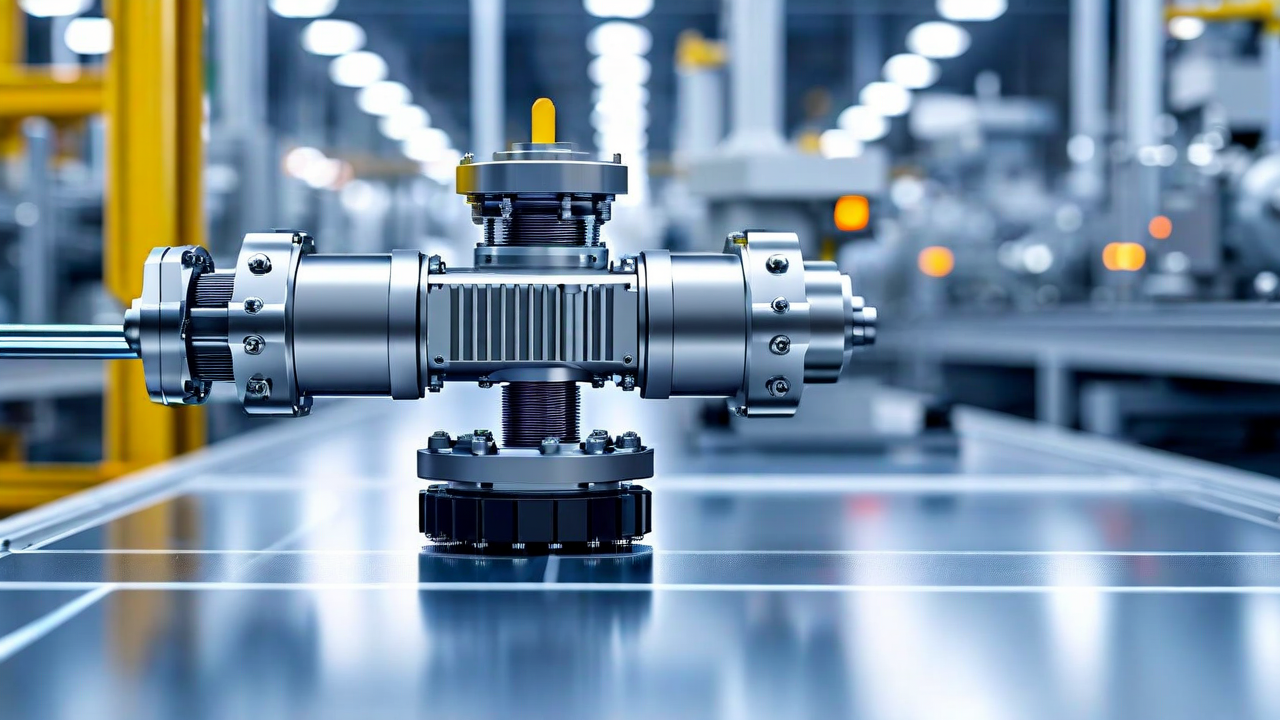
Our industrial sensors are rated IP67, designed for operating temperatures from -40°F to 185°F, and certified for use in Zone 2 hazardous locations. They attach to motors, gearboxes, pumps, fans, and compressors without cutting power or modifying the machine.
Tri-axial vibration sensors
20kHz sampling rate captures the high-frequency signatures of bearing defects, gear mesh problems, and cavitation — the failure modes that kill your most expensive equipment.
Embedded thermal sensors
Direct-contact temperature measurement on motor windings and bearing housings, not just surface IR scans. Faster response, better accuracy, no operator required.
Industrial wireless mesh
Sensors communicate over a 900MHz mesh network optimized for steel and concrete environments — no IT involvement, no holes in firewalls, no cellular dependency.
Decisions happen at the plant, not in a cloud
Our edge gateway processes sensor data on-site, inside your network perimeter. Alerts fire in under 60 seconds regardless of internet connectivity. Your production data stays on your infrastructure.
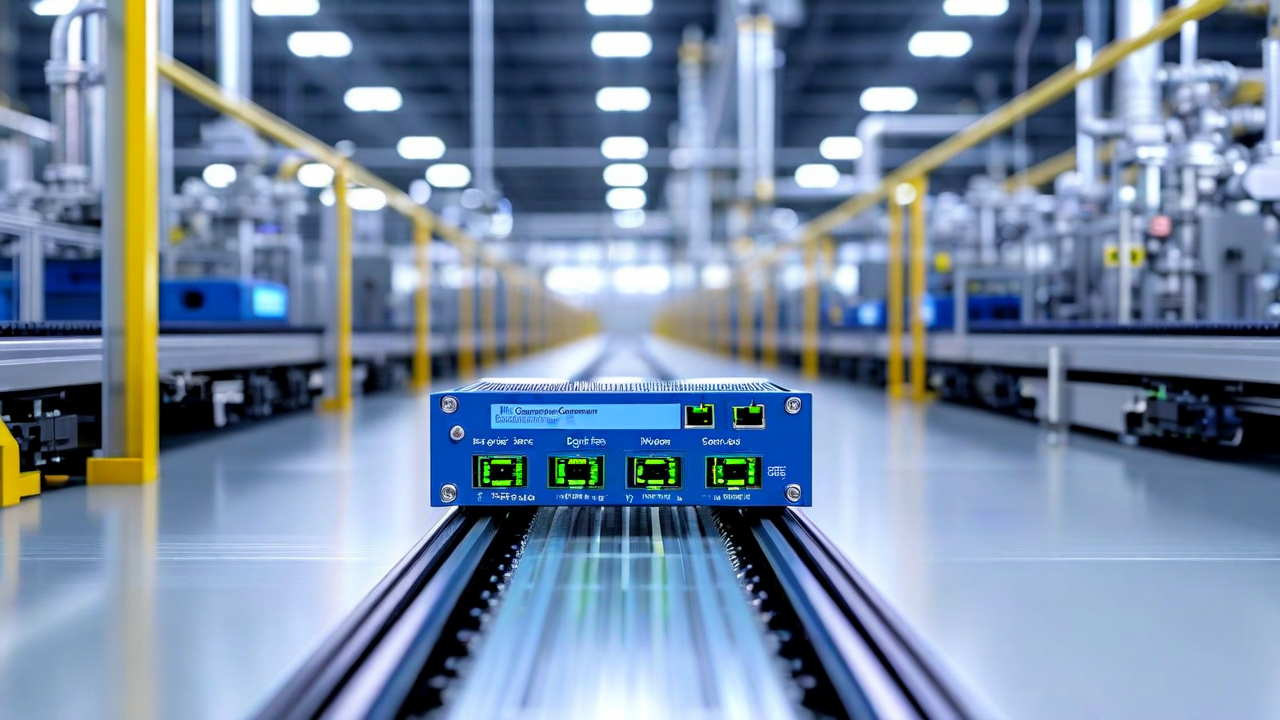
Hardened edge gateway
DIN-rail mounted industrial PC with solid-state storage, rated for continuous operation in panel enclosures. Handles up to 2,000 sensor channels per unit.
Air-gap compatible
Works fully offline. When you want cloud dashboards for remote teams or corporate reporting, data is pushed out — not pulled in. You control what leaves the plant.
Open integration layer
OPC-UA and REST API output connects to your existing CMMS, DCS, or historian without requiring a new software platform. Alerts can trigger work orders in SAP PM directly.
Answers, not just alerts
We don't tell you a sensor is trending high and leave the diagnosis to your maintenance team. Our models identify the likely failure mode, rank severity, and suggest a maintenance action — so your planners can schedule work, not just react to alarms.
Failure mode classification
Our models are trained on industrial failure libraries covering 50+ bearing types, 30+ gear configurations, and common pump failure modes across your specific equipment classes.
Remaining Useful Life estimation
Beyond "something is wrong" — we estimate how much operating time remains before failure, so you can schedule the repair at the next planned maintenance window instead of an emergency callout.
Mobile-first alert delivery
Maintenance technicians get push notifications with the equipment ID, location, severity level, and recommended action — ready to act before they leave the maintenance office.